Home Modifications
NDIS CODE 0111 - Home Modifications
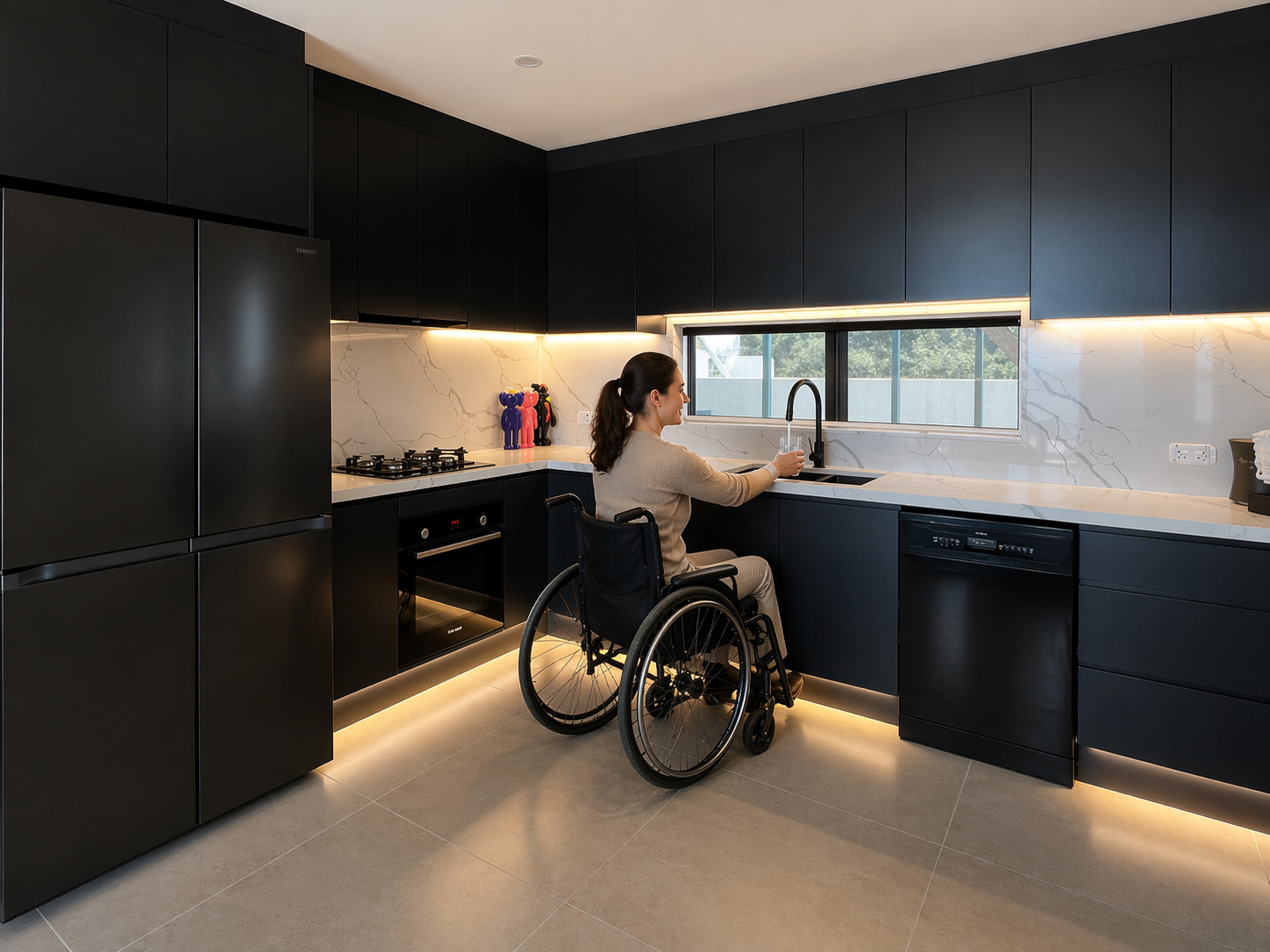
Home ModificationsNDIS home modifications are changes made to a home to improve safety, accessibility, and independence for people with disabilities. This can include ramps, grab rails, accessible bathrooms, and other adjustments that support everyday living.
OUR PROCESS
01
Initial Consultation
02
Scope & Quote
03
NDIS approval Support
04
Scheduling works
06
Final Walkthrough
05
Installation
Compliance & Safety
All of our tradespeople hold the appropriate licences and certifications, including White Cards, Infection Prevention and Control training, Police Checks, and NDIS Worker Screening clearances. Our team is fully insured and follows strict workplace safety procedures, including Safe Work Method Statements (SWMS), to ensure all works are completed safely, professionally, and in line with industry and NDIS standards.
-
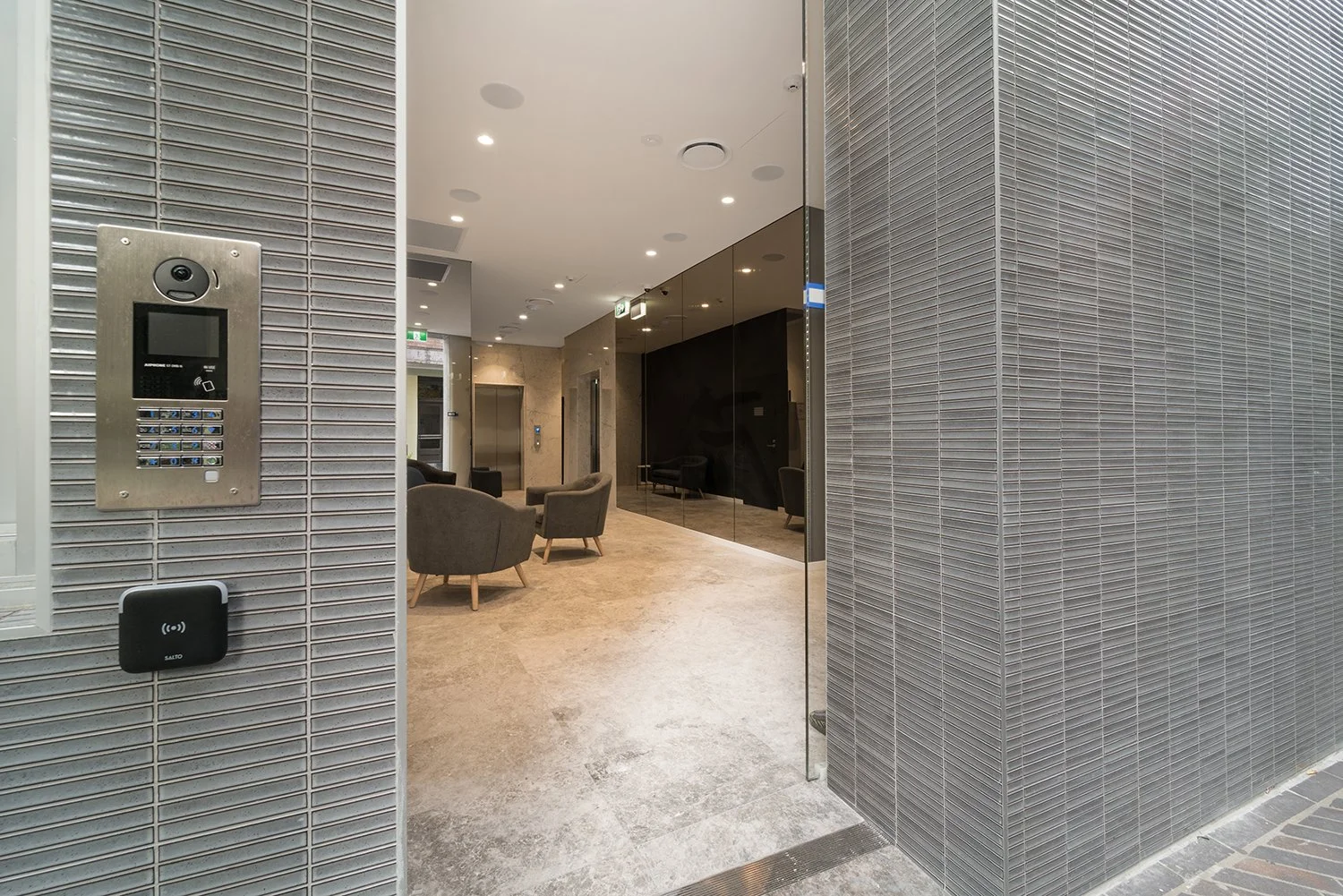
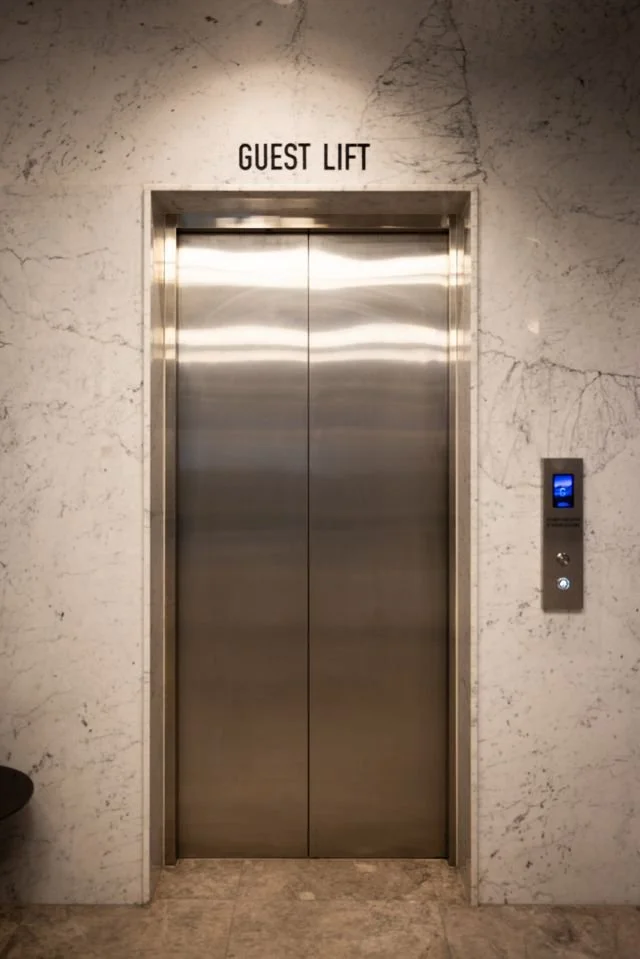
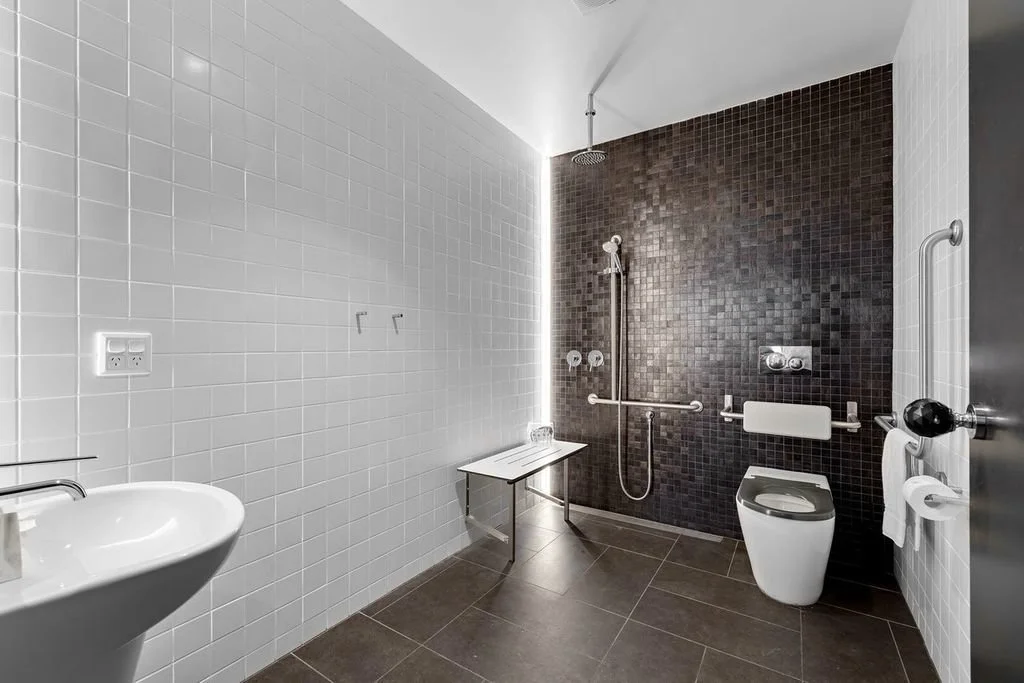
We can implement safety measures by adding features such as ramps, bathroom modifications, grab rails, non-slip flooring, widening doorways, modifying cupboards for reach access and accessible layouts to make everyday living safer and easier. Our team is experienced at home building, repairs and maintenance.
-
By reducing reliance on physical assistance, increasing comfort and independence, and making everyday tasks easier through tailored home modifications.
-
Home modifications are recommended when your current living environment makes daily tasks difficult, unsafe, or limits your independence.
-
The process begins with an assessment by a qualified professional, such as an occupational therapist, who evaluates your needs and home environment. They provide recommendations, which are submitted to the NDIS for approval. Once approved, the appropriate modifications are planned and completed to support your safety, accessibility, and independence.
-
The NDIS considers whether the modifications are reasonable and necessary, related to your disability, and effective in improving your safety, independence, and daily functioning. They also assess value for money, suitability of your home, and recommendations from qualified professionals such as occupational therapists.
-
The NDIS does not fund general home renovations, cosmetic upgrades, or items not related to your disability. It also does not cover costs that are the responsibility of landlords, routine maintenance, or modifications that are not considered reasonable and necessary for your support needs. If it’s something most households would typically cover themselves, regardless of disability, it’s unlikely to be funded by the NDIS.